FACTORY WORKERS/LE DONNE IN THE FACTORY
Date
Thursday, 3. December 2026
17:00
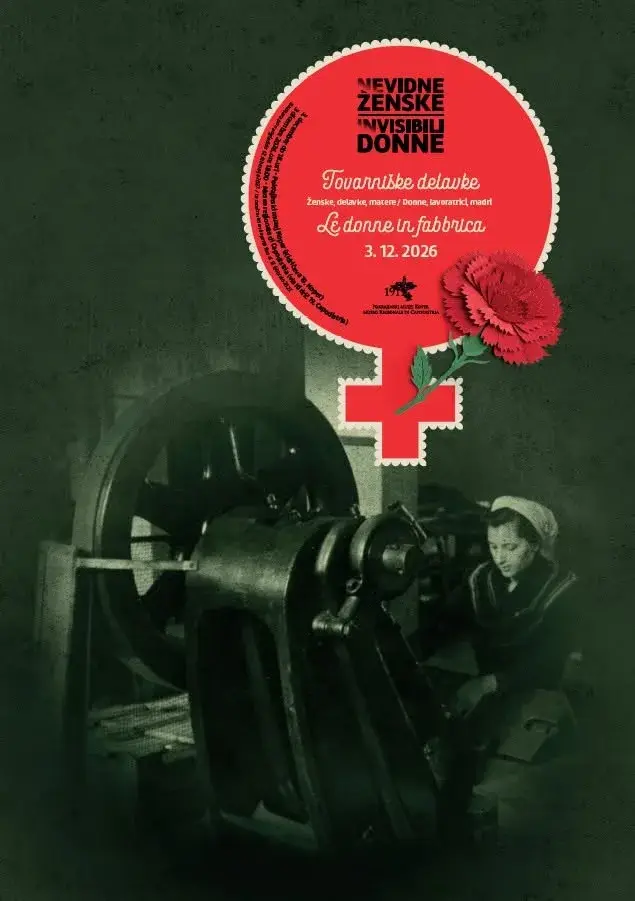
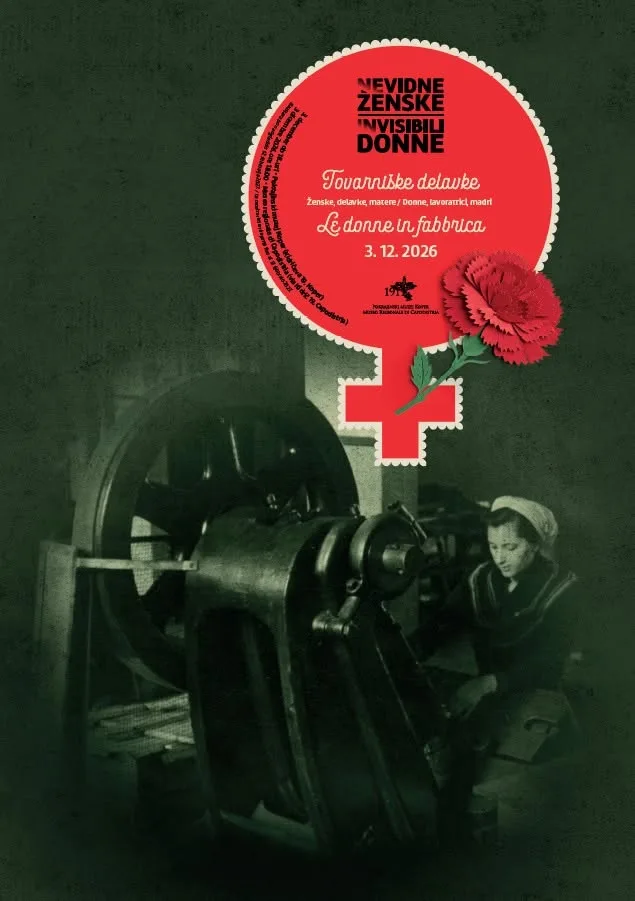
Opening: December 3, 2026 at 6 p.m. Location: Pavilion of the Recent History Collection, Koper Regional Museum As part of the multi-year project Visible/Invisible Women of Istria, the Koper Regional Museum presents an exhibition about women and their work in Slovenian Istria from the pre-war period to the end of socialism. The exhibition was created in cooperation with the Koper Regional Archives. The story of factory workers began at the end of the 19th century with the employment of women in the Koper and Izola fish processing industries, and after World War II, with the industrialization and development of coastal towns, their inclusion in paid work expanded significantly. Women became an important part of the workforce in the food and metal processing industries, and they were also employed in education, healthcare, trade and other activities. The exhibition tells the story of their work experiences, economic independence and social engagement, as well as the everyday balancing of professional obligations with motherhood and household chores. It sheds light on the position of women who were workers, mothers and housewives at the same time, and the changes brought about by their inclusion in the world of paid work. Authors of the exhibition: Tina Novak Pucer, Ivan Simčič, Deborah Rogoznica The exhibition will be on display until February 12, 2027. #alwayschange Mostra temporanea LE DONNE AND FABBRICA Donnes, laborers, wise men Inauguration: 3 dicembre 2026 alle ore 18.00 Location: Padiglione della Collezione di storia contemporanea, Museo regionale di Capodistria Within the scope of the multi-year project Donne visibili/invisibili dell'Istria, the Museo regionale di Capodistria presents an exhibition dedicated to all women and their work in Slovenian Istria, from the pre-war period to the end of socialism. The exhibition was realized in collaboration with the Archivio regionale di Capodistria. La storia delle operaie ebbe inizio già alla fine del XIX secolo, quando le donne trovarono impiego nell'industria conserviera ittica di Capodistria e Isola. After the Second World War, with industrialization and the development of coastal cities, their participation in retributive labor increased significantly. Le donne became an important component of the labor force in the alimentary and metalmechanic industry, finding employment also in education, sanitation, commerce and other sectors. La sample racconta le loro experiencie la laborative, il percorso verso l'autonomia economica e la participatione alla vita sociale, ma anche la quotidiana conciliazione degli impegni professionale con la maternita e la gestione della casa. Mette in luce la condizione delle donne, contemporaneo operaie, madri e casalinghe, e i changesi che accompagnarono il loro ingresso nel mondo del lavoro retribuito. Authors of the exhibition: Tina Novak Pucer, Ivan Simčič, Deborah Rogoznica The exhibition will be open until February 12, 2027. #sempreinturno