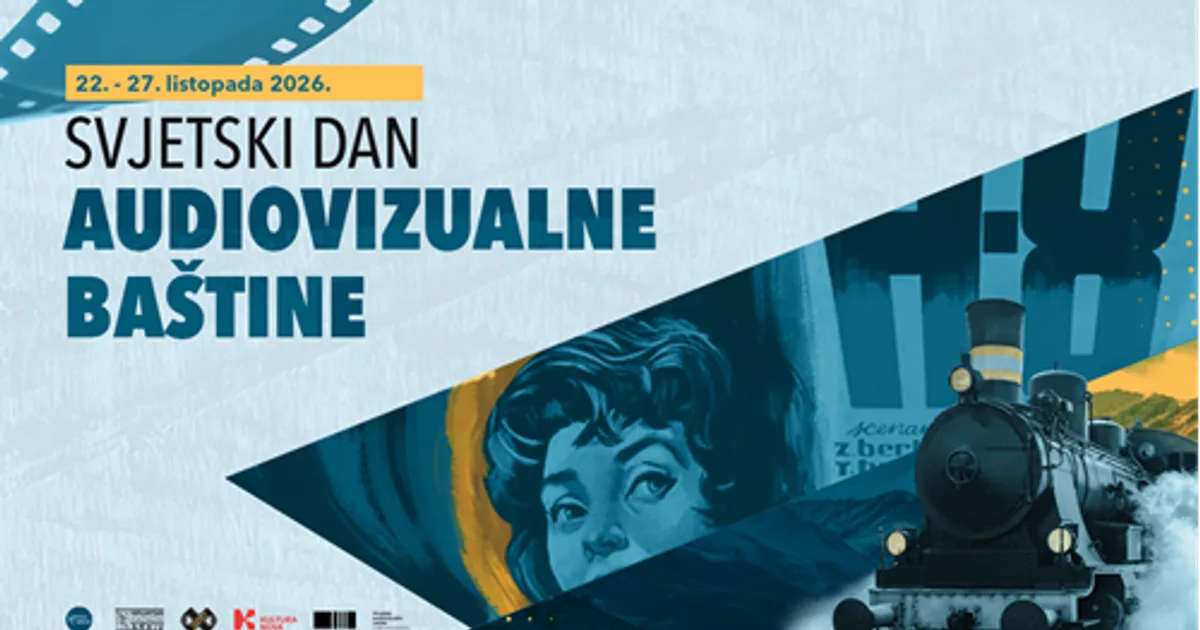
World Day for Audiovisual Heritage: Train in the Snow
Date
Monday, 26. October 2026
18:15 – 20:00
Location
Pula
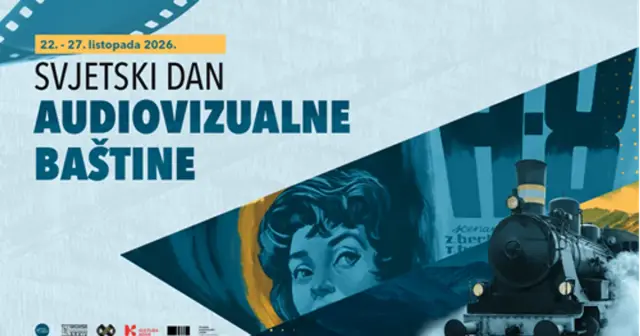
Every year on 27 October, World Day for Audiovisual Heritage is observed to highlight the importance of preserving valuable film and television content that forms an indelible part of our cultural heritage. As in previous years, Kino Valli is joining the initiative. Admission to all screenings is free. This year, the Croatian Cinematheque of the Croatian State Archives is dedicating its programme to the 100th anniversary of the birth of Nikola Tanhofer, one of the most prominent Croatian filmmakers, cinematographers, directors, screenwriters and film educators. The occasion also serves as a reminder of the importance of systematically preserving, restoring and providing access to film heritage, as well as the responsibility of archives to safeguard for future generations the works that have shaped Croatian and European film culture. On 26 October, audiences in Pula can enjoy the beloved children’s classic Train in the Snow (Vlak u snijegu), which celebrates its 50th anniversary this year, while on 27 October they can see Nikola Tanhofer’s cult film Nije bilo uzalud (It Was Not in Vain). Train in the Snow (1976), dir. Mate Relja — INCLUSIVE SCREENING One of the most successful and widely watched Croatian children’s films of the Yugoslav period, based on Mate Lovrak’s novel of the same name. The screening is organised in cooperation with the Filmaktiv association and the Kultura svima platform and is adapted for deaf and hard-of-hearing, as well as blind and partially sighted audiences. Nije bilo uzalud (1957) Tanhofer’s directorial debut, combining social drama and crime thriller elements in the story of a young doctor who arrives in a remote rural community to fight disease, prejudice and social stagnation. Screened at the 1957 Berlin International Film Festival, the film is one of the most compelling debuts in the history of Croatian cinema. The programme is organised in partnership with the Kino Mreža network and the Croatian State Archives/Croatian Cinematheque, with financial support from the Kultura Nova Foundation and the Croatian Audiovisual Centre. All materials used are archival records from the collection of the Croatian State Archives. (Kino Mreža)